Navigating Change with Remote Change Management Methods
- courtneyhaggard23
- 7 days ago
- 3 min read
Change is inevitable. In today’s fast-paced world, organizations must adapt quickly to stay competitive and relevant. But how do you steer your team through change when everyone is working remotely? I’ve found that mastering remote change management methods is essential for success. These methods help maintain alignment, boost morale, and ensure smooth transitions even when physical distance separates us.
Let’s explore practical ways to navigate change effectively using virtual tools and strategies. I’ll share actionable insights that you can apply right away to keep your organization moving forward.
Embracing Remote Change Management Methods
Remote change management methods are not just about technology. They are about mindset, communication, and structure. When you lead change remotely, you need to be intentional about how you connect with your team and how you track progress.
Here are some key principles I rely on:
Clear communication: Use simple, direct language. Avoid jargon. Make sure everyone understands the why, what, and how of the change.
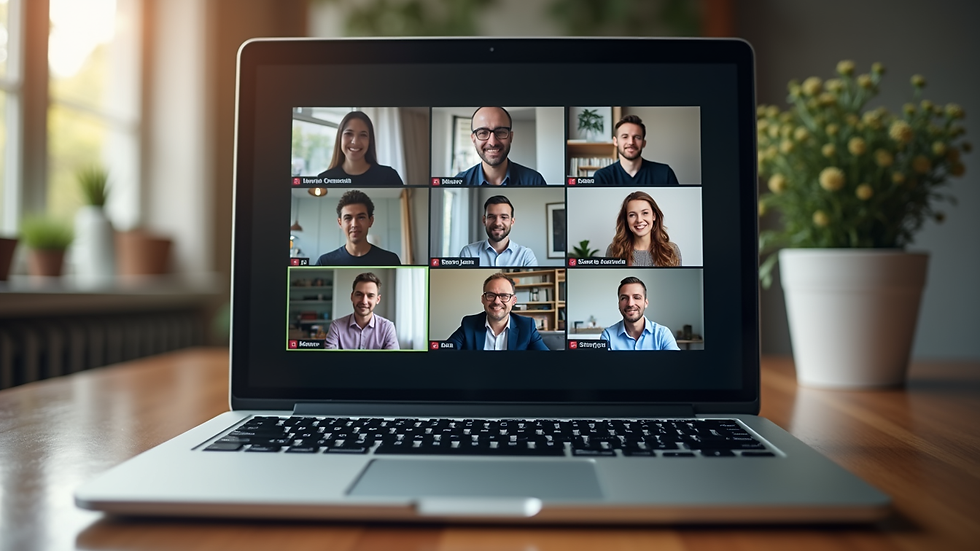
Frequent check-ins: Schedule regular video calls or virtual meetings. This keeps everyone engaged and accountable.
Visual tools: Use shared dashboards, project management software, or virtual whiteboards to track milestones and tasks.
Empathy and support: Recognize that change can be stressful. Offer resources and encourage open dialogue.
For example, when rolling out a new software system, I create a step-by-step guide and host live Q&A sessions. This approach reduces confusion and builds confidence.
Building Trust and Transparency in a Virtual Environment
Trust is the foundation of any successful change initiative. Without it, resistance grows and progress stalls. Building trust remotely requires deliberate effort.
Start by being transparent about the reasons behind the change. Share data, insights, and expected outcomes openly. When people understand the bigger picture, they are more likely to buy in.
Next, encourage feedback. Use anonymous surveys or open forums to gather honest opinions. Respond to concerns promptly and honestly. This shows you value input and are committed to addressing challenges.
Another tactic is to celebrate small wins publicly. Recognize individuals or teams who adapt well or contribute ideas. This boosts morale and reinforces positive behavior.
For instance, during a recent organizational restructure, I sent weekly updates highlighting progress and addressing common questions. This kept everyone informed and reduced uncertainty.
Leveraging Technology to Support Change
Technology is your ally in remote change management. The right tools can streamline communication, collaboration, and tracking.
Here are some tools I recommend:
Video conferencing platforms - For face-to-face interaction and real-time discussions.
Project management software - To assign tasks, set deadlines, and monitor progress.
Instant messaging apps - For quick questions and informal check-ins.
Document sharing services - To ensure everyone has access to the latest information.
But technology alone is not enough. You must also establish clear protocols for using these tools. Define when to use email versus chat, how to document decisions, and how to escalate issues.
Remember, the goal is to reduce friction, not add complexity. Keep processes simple and intuitive.

Practical Steps to Implement Remote Change Management
Implementing change remotely requires a structured approach. Here’s a step-by-step plan I follow:
Assess readiness: Evaluate your team’s current state and identify potential barriers.
Define clear objectives: Set measurable goals for the change initiative.
Develop a communication plan: Outline who needs to know what, when, and how.
Train and support: Provide resources and training to help people adapt.
Monitor and adjust: Use feedback and data to refine your approach continuously.
For example, when introducing a new customer relationship management (CRM) system, I first surveyed the team to understand their familiarity with similar tools. Then, I created tailored training sessions and set up a dedicated support channel. Throughout the rollout, I tracked usage metrics and solicited feedback to make improvements.
Sustaining Momentum and Embedding Change
Change is not a one-time event. It requires ongoing effort to embed new behaviors and sustain momentum.
To do this remotely, I recommend:
Regular reinforcement: Keep the change visible through reminders, updates, and success stories.
Leadership involvement: Ensure leaders model the desired behaviors and communicate consistently.
Continuous learning: Offer refresher training and encourage knowledge sharing.
Recognition programs: Reward those who embrace and champion the change.
By maintaining focus and celebrating progress, you create a culture that embraces change rather than fears it.
Navigating change remotely is challenging but achievable. By applying remote change management methods thoughtfully, you can guide your organization through transitions smoothly and confidently. Remember, the key is to stay connected, communicate clearly, and support your team every step of the way.
For those looking to deepen their approach, exploring virtual change management strategies can provide additional frameworks and tools to enhance your efforts. Embrace these strategies, and watch your organization thrive amid change.


